 11
11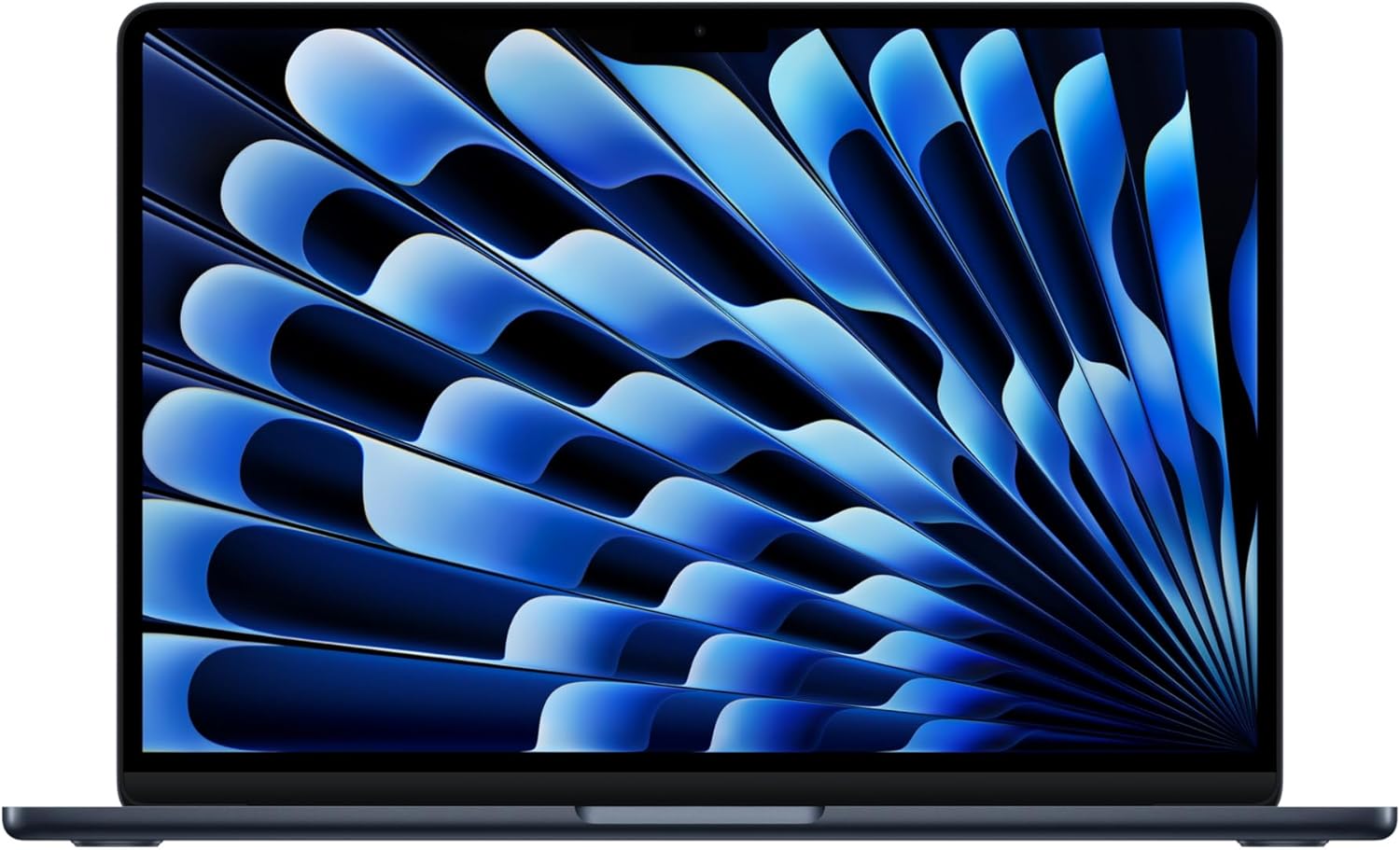
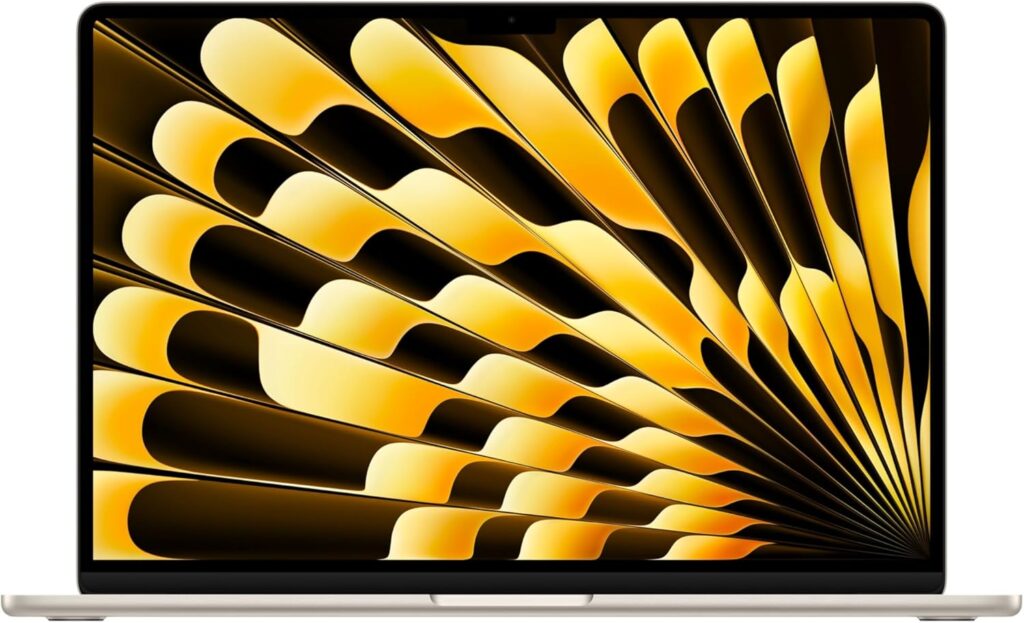
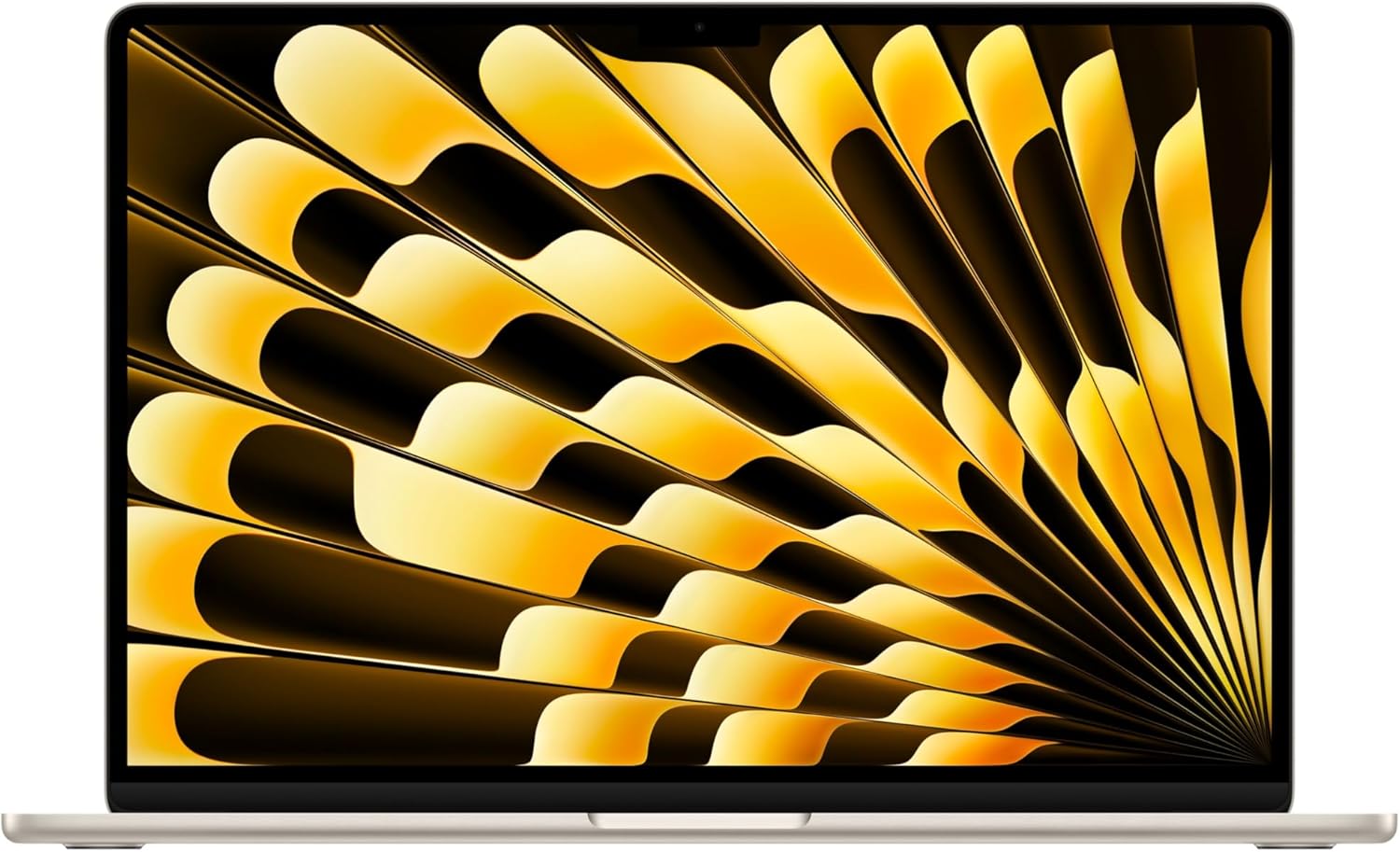
The 2026 generation of the Apple 2026 MacBook Air 13-inch Laptop with M5 chip continues Apple’s focus on combining portability, efficiency, and intelligent performance in a compact notebook. Built around the latest M5 chip architecture, this 13-inch MacBook Air introduces upgraded AI capabilities, improved wireless connectivity with Wi-Fi 7, enhanced memory efficiency, and a refined multimedia experience.
With a 13.6-inch Liquid Retina display, 16GB unified memory, 512GB SSD storage, and a new 12MP Center Stage camera, the laptop is designed for users who rely on multitasking, creative workflows, productivity applications, and AI-enhanced software environments.
This article explores the specifications, design philosophy, performance architecture, display technology, AI integration, battery efficiency, connectivity, and overall user experience of Apple’s newest MacBook Air model.
Apple’s MacBook Air lineup has long been recognized for its ultra-portable design, and the 2026 M5 model continues that tradition. The device remains exceptionally thin and lightweight, making it ideal for users who travel frequently, work remotely, or prefer minimalist setups.
The Midnight finish gives the notebook a premium appearance with a darker aluminum aesthetic that stands apart from traditional silver or space gray models. Apple’s aluminum unibody construction also contributes to structural durability while maintaining a refined and clean visual profile.
The compact 13-inch form factor allows the laptop to fit comfortably into backpacks, messenger bags, and small workspaces without sacrificing display quality or keyboard comfort.
Key portability advantages include:
For students, professionals, creators, and hybrid workers, portability remains one of the strongest characteristics of the MacBook Air series.
At the center of the laptop is Apple’s new M5 chip, which represents the next evolution of Apple Silicon. The M-series chips have consistently emphasized high performance per watt, and the M5 continues that strategy while introducing stronger AI-focused processing capabilities.
The M5 chip is designed to accelerate modern machine learning workloads and intelligent computing tasks directly on the device. Instead of relying entirely on cloud processing, many AI-driven applications can now perform operations locally with improved speed, privacy, and efficiency.
The “Built for AI” positioning reflects the increasing importance of on-device artificial intelligence across modern software ecosystems. The MacBook Air with M5 supports a wide range of AI-assisted experiences, including:
Apple’s Neural Engine continues to play a central role in accelerating machine learning tasks while minimizing energy consumption.
For users working with generative AI applications, lightweight local models, productivity automation tools, or creative AI software, the M5 architecture aims to deliver faster processing with reduced latency.
This MacBook Air configuration includes 16GB of unified memory, which is increasingly important for modern multitasking and AI-assisted workflows.
Unlike traditional RAM systems found in many laptops, Apple’s unified memory architecture allows the CPU, GPU, and Neural Engine to access the same memory pool simultaneously. This design improves efficiency and reduces bottlenecks between different processing components.
The 16GB configuration offers several practical advantages:
Users running professional productivity software, virtual workspaces, design applications, or machine-learning-enhanced tools will likely appreciate the additional memory headroom.
Storage speed remains a major factor in overall laptop performance, and the 512GB SSD included in this model helps maintain fast system responsiveness.
Solid-state storage improves:
The 512GB capacity also provides a balanced storage option for users handling documents, creative assets, software libraries, and multimedia files without immediately requiring external storage.
For content creators and professionals working with larger files, the SSD architecture contributes significantly to a smoother experience.
One of the standout features of the MacBook Air remains its Liquid Retina display. The 13.6-inch panel is designed to provide sharp detail, vibrant colors, and strong brightness performance.
The Liquid Retina display supports:
The slim bezel design also maximizes screen space while keeping the overall footprint compact.
This display configuration is particularly useful for:
Text rendering remains especially sharp on macOS, which benefits users who spend extended hours reading, writing, or coding.
The MacBook Air has evolved from a basic ultraportable notebook into a capable productivity and creative workstation for many users.
With the M5 chip and 16GB unified memory, this model is suitable for tasks such as:
The balance between portability and processing power makes the device appealing for students, digital professionals, and creators who need reliable daily performance without moving to a heavier laptop category.
A defining feature of the MacBook Air lineup is its fanless thermal architecture.
Without internal cooling fans, the system operates silently during normal workloads. This creates a quieter environment for studying, office work, meetings, and creative sessions.
Advantages of the fanless design include:
Apple Silicon efficiency plays a major role in enabling this design. The M5 chip is engineered to maintain strong performance while controlling heat output efficiently.
For users sensitive to noise or working in shared spaces, silent computing remains an important advantage.
Remote work and online collaboration continue to shape laptop design priorities, and Apple has upgraded the camera system with a 12MP Center Stage camera.
Center Stage uses intelligent framing technology to help keep users centered during video calls. As the user moves, the camera dynamically adjusts framing to maintain focus.
This feature can improve experiences during:
The higher-resolution camera also enhances image clarity compared to older webcam generations.
Combined with Apple’s image signal processing capabilities, the camera system aims to deliver improved lighting balance, skin tone accuracy, and low-light performance.
Apple laptops are widely recognized for strong built-in audio systems, and the MacBook Air continues this trend.
The laptop is designed to support immersive multimedia experiences with:
This benefits users watching videos, attending meetings, listening to music, or editing multimedia content.
The microphone array also helps improve voice clarity during calls and recordings.
Security and convenience remain important parts of the MacBook Air experience.
The integrated Touch ID sensor allows users to:
Touch ID is integrated into the keyboard for fast biometric authentication while reducing reliance on manual password entry.
This feature is especially useful for users managing work documents, personal files, or cloud-based services requiring regular authentication.
The inclusion of Wi-Fi 7 introduces support for the latest wireless networking standards.
Wi-Fi 7 is designed to improve:
As modern workflows increasingly depend on cloud storage, remote collaboration, streaming services, and AI-assisted online tools, faster and more reliable wireless connectivity becomes increasingly valuable.
Users with compatible routers may experience improved performance compared to older Wi-Fi standards.
Battery efficiency remains one of the defining strengths of Apple Silicon laptops.
The M5 chip is designed to optimize power consumption during both light and demanding tasks. This helps extend battery life while maintaining consistent responsiveness.
Power efficiency benefits include:
Many users prioritize laptops that can comfortably support a full workday without requiring constant charging, and the MacBook Air series continues focusing heavily on this area.
The MacBook Air benefits from Apple’s tight hardware and software integration through macOS.
The operating system is optimized specifically for Apple Silicon, enabling efficient resource management and strong overall system responsiveness.
Users within the Apple ecosystem may benefit from features such as:
This integration can simplify productivity for users already using devices such as iPhones or iPads.
Apple continues to refine the keyboard and trackpad experience across the MacBook lineup.
The MacBook Air features:
The Force Touch trackpad remains one of the most accurate and responsive laptop trackpads available, supporting smooth gesture control throughout macOS.
For writers, developers, students, and office professionals, input comfort remains an important long-term usability factor.
Apple has increasingly emphasized environmental initiatives in its hardware development process.
The MacBook Air incorporates several sustainability-focused practices, including:
These efforts align with broader industry trends toward more sustainable electronics manufacturing and energy-efficient computing devices.
The 2026 MacBook Air with M5 chip is positioned as a versatile ultraportable notebook capable of handling a broad range of workflows.
Potential use cases include:
Ideal for:
Useful for:
Suitable for:
Helpful for:
The Apple 2026 MacBook Air 13-inch Laptop with M5 chip represents Apple’s continued evolution of thin-and-light computing with a stronger emphasis on AI-ready performance, energy efficiency, and modern connectivity.
Its combination of the M5 chip, 16GB unified memory, 512GB SSD storage, Liquid Retina display, Wi-Fi 7 support, and upgraded camera system positions it as a capable ultraportable device for modern productivity and creative workflows.
Rather than focusing purely on raw hardware specifications, the MacBook Air experience centers around efficiency, portability, intelligent processing, silent operation, and seamless integration across software and hardware environments.
As AI-enhanced applications become increasingly common in everyday computing, devices like the M5 MacBook Air are designed to support these evolving workflows while maintaining the lightweight simplicity that has defined the MacBook Air lineup for years.