 11
11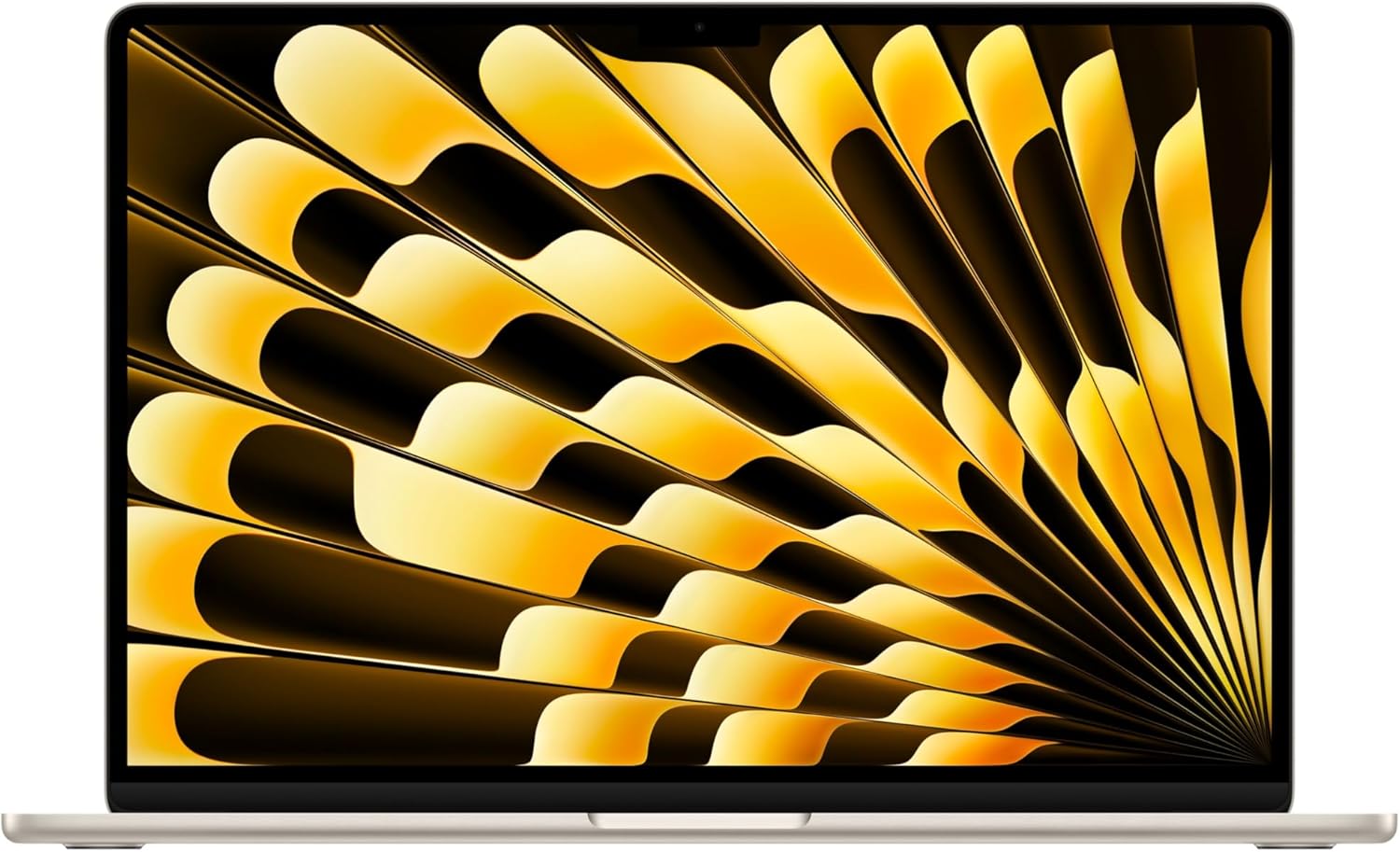
The modern laptop market continues to evolve toward thinner designs, smarter computing experiences, and hardware optimized for artificial intelligence workloads. The 2026 MacBook Air 15-inch with the M5 chip represents this new direction by combining portability, efficiency, and AI-focused performance in a lightweight premium notebook.
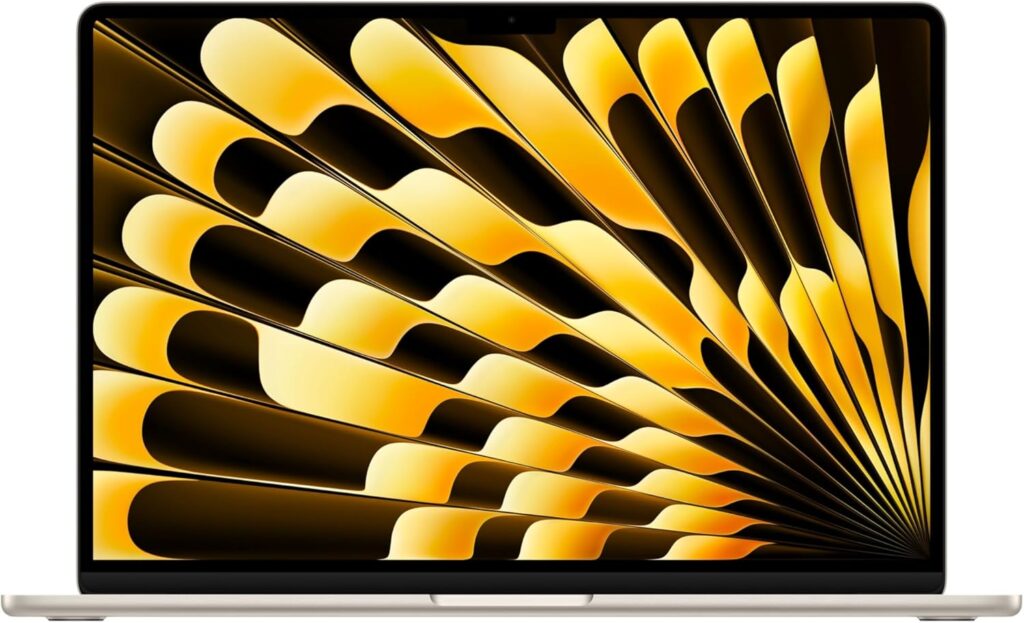
Designed for students, professionals, creators, and everyday users, this model introduces a balance between large-screen productivity and the silent efficiency the MacBook Air lineup is known for. With features such as a 15.3-inch Liquid Retina display, 16GB unified memory, a 512GB SSD, Wi-Fi 7 connectivity, and a 12MP Center Stage camera, the laptop aims to support modern workflows that increasingly depend on intelligent software and cloud-connected tools.
This article explores the design, performance architecture, display technology, AI capabilities, connectivity, and practical usage scenarios of the 2026 MacBook Air 15-inch.
The 15-inch MacBook Air format appeals to users who want more screen space without stepping into heavier professional laptop categories. While compact laptops remain ideal for mobility, larger displays provide a noticeable advantage for multitasking, media consumption, creative work, and productivity applications.
The 15.3-inch display size offers enough room for:
Despite the larger screen, the MacBook Air design philosophy continues to focus on portability. The slim profile and lightweight construction help maintain the travel-friendly nature associated with the Air series.
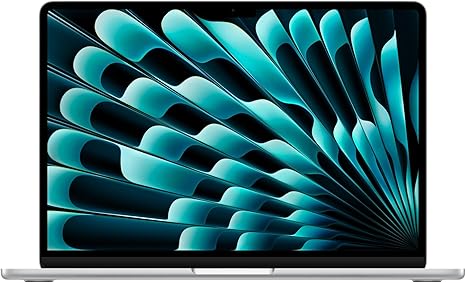
The Starlight finish also gives the device a clean and refined appearance. Apple’s neutral metallic tones have become increasingly popular among users who prefer a modern aesthetic that works in both professional and casual environments.
At the center of the 2026 MacBook Air is the M5 chip, part of Apple’s custom silicon architecture developed to optimize performance and power efficiency across macOS devices.
Apple Silicon has significantly changed how MacBooks handle processing tasks. Instead of relying on separate traditional architectures, the unified design integrates the CPU, GPU, memory, and AI acceleration components into a tightly connected system.
The M5 chip continues this approach with an emphasis on AI-ready computing.
Artificial intelligence is no longer limited to cloud servers or enterprise systems. Many modern applications now rely on local AI processing for tasks such as:
The M5 chip is expected to support these experiences through advanced neural processing capabilities and efficient machine learning acceleration.
On-device AI processing offers several advantages:
As software ecosystems continue integrating AI tools, laptops designed for these workloads become increasingly valuable for long-term usability.
The MacBook Air configuration includes 16GB of unified memory, an important feature in Apple Silicon systems.
Unlike traditional memory designs where the CPU and GPU access separate memory pools, unified memory allows all major components to share the same high-speed memory architecture. This improves efficiency and reduces data transfer delays between processing units.
The unified memory approach can improve performance in tasks such as:
For many users, 16GB provides a strong balance between current performance needs and future software demands.
Modern operating systems and productivity applications consume more memory than ever before, especially when multiple tabs, communication apps, cloud services, and creative tools are running simultaneously. A 16GB configuration helps maintain responsiveness under heavier workloads.
Storage speed plays a major role in overall laptop responsiveness, and the 512GB SSD included in this model contributes to fast system performance.
Solid-state drives provide advantages over older storage technologies by delivering:
A 512GB SSD can support a variety of user needs, including:
For students and professionals, this capacity often provides enough room for daily computing without requiring immediate external storage solutions.
The display remains one of the defining features of the MacBook Air lineup, and the 15.3-inch Liquid Retina display continues Apple’s emphasis on color accuracy and visual clarity.
High-quality displays influence everything from creative work to casual web browsing. A larger Retina panel allows text, images, and videos to appear sharp and detailed while maintaining comfortable viewing conditions for long sessions.
The Liquid Retina display is designed to enhance:
This makes the laptop suitable for users involved in:
The larger screen size also improves immersive viewing experiences for movies, presentations, and collaborative workflows.
Remote work, virtual meetings, online education, and digital collaboration continue shaping how people use laptops. The 12MP Center Stage camera reflects this shift by improving the video communication experience.
Center Stage uses intelligent camera tracking to help keep users centered during video calls. As users move around, the camera automatically adjusts framing to maintain visibility.
This feature can be useful for:
The higher-resolution 12MP camera also contributes to improved image quality during calls, especially in varying lighting conditions.
As communication increasingly depends on video platforms, integrated camera quality becomes a more important consideration in laptop design.
Security and convenience are major priorities in modern computing, and Touch ID remains an important feature within the MacBook ecosystem.
Integrated into the keyboard area, Touch ID allows users to unlock the laptop and authenticate actions using fingerprint recognition.
Users can utilize Touch ID for:
Biometric authentication improves convenience while reducing dependence on traditional password entry.
Combined with Apple’s secure hardware architecture, Touch ID contributes to a streamlined user experience without sacrificing security standards.
Connectivity standards continue evolving to support faster wireless performance and lower latency. The inclusion of Wi-Fi 7 positions the 2026 MacBook Air for modern network environments.
Wi-Fi 7 technology can improve:
As internet infrastructure improves globally, devices supporting newer wireless standards are better prepared for future bandwidth demands.
This becomes especially important for users working with cloud storage, AI-powered online tools, collaborative platforms, and high-resolution media streaming.
One of the defining characteristics of the MacBook Air family is its focus on efficient computing. Apple Silicon systems are designed to maximize battery life while maintaining strong performance levels.
The fanless architecture commonly associated with MacBook Air devices offers several practical advantages:
For users working in quiet environments such as libraries, offices, classrooms, or studios, silent operation can significantly improve comfort.
Efficient power management also benefits travelers and remote workers who rely on extended battery life throughout the day.
The 2026 MacBook Air 15-inch targets a wide range of users due to its balance of portability, display size, and intelligent performance.
Students benefit from:
Business and productivity users may appreciate:
Creative users can take advantage of:
Casual users also gain access to:
One of the most important themes surrounding the M5 MacBook Air is the growing role of AI in personal computing.
Artificial intelligence is increasingly integrated into:
Laptops optimized for AI workloads are likely to remain relevant for a longer period as software ecosystems evolve.
The phrase “Built for AI” reflects a broader industry trend where devices are expected to handle machine learning tasks efficiently without relying entirely on cloud processing.
This transition may influence how users interact with their computers in the coming years, making hardware acceleration for AI a meaningful consideration.
The MacBook Air also benefits from integration with the broader Apple ecosystem.
Users who already use Apple devices may experience seamless interactions between products such as:
Common ecosystem features include:
These integrations help streamline workflows across multiple devices and reduce friction in daily computing tasks.
For users invested in the Apple ecosystem, these features contribute significantly to the overall experience.
The 15-inch MacBook Air occupies an interesting position between compact ultrabooks and larger professional laptops.
Larger displays can improve:
At the same time, the Air design attempts to avoid the bulk traditionally associated with larger laptops.
This balance makes the 15-inch format attractive for users who want additional screen space without transitioning to heavier workstation-style devices.
Apple’s laptop design language continues emphasizing minimalism and clean construction.
The MacBook Air’s visual identity focuses on:
The Starlight color option adds warmth while maintaining a professional appearance suitable for offices, educational settings, and personal use.
Minimalist design also extends into the software experience, where macOS aims to provide a streamlined interface optimized for touchpad gestures, multitasking, and application efficiency.
When evaluating modern laptops, many users consider long-term usability rather than short-term specifications alone.
Features such as:
suggest a focus on supporting future software demands.
As AI-enhanced applications become more common, devices capable of handling intelligent workloads locally may maintain stronger long-term relevance compared to older hardware architectures.
The M5 MacBook Air appears positioned within this broader transition toward smarter personal computing systems.
The 2026 MacBook Air 15-inch with the M5 chip represents a modern approach to lightweight computing that emphasizes AI readiness, portability, efficient performance, and display quality.
Its combination of a large 15.3-inch Liquid Retina display, 16GB unified memory, 512GB SSD storage, Wi-Fi 7 connectivity, and intelligent camera technology creates a versatile platform for work, study, communication, and creative tasks.
As software increasingly integrates machine learning and AI-assisted features, laptops designed around efficient neural processing may become central to everyday computing experiences. The M5 chip reflects this direction by focusing not only on speed and efficiency, but also on supporting the next generation of intelligent applications.
For users seeking a balance between mobility and productivity, the MacBook Air 15-inch continues to occupy a unique position in the premium laptop category.